logo
Startseite

Blog über Guide to Choosing Hydraulic Motors for Industrial Use

Bescheinigung
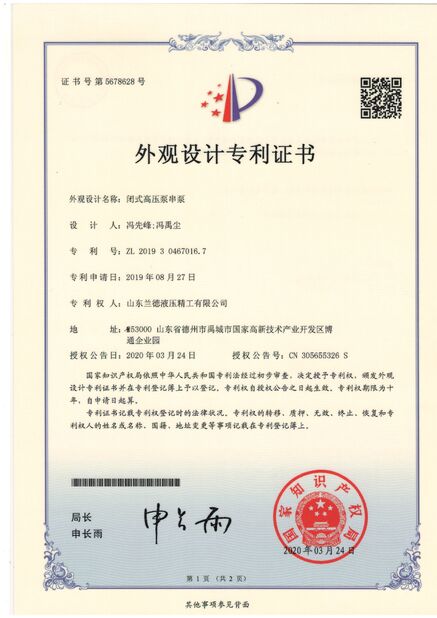
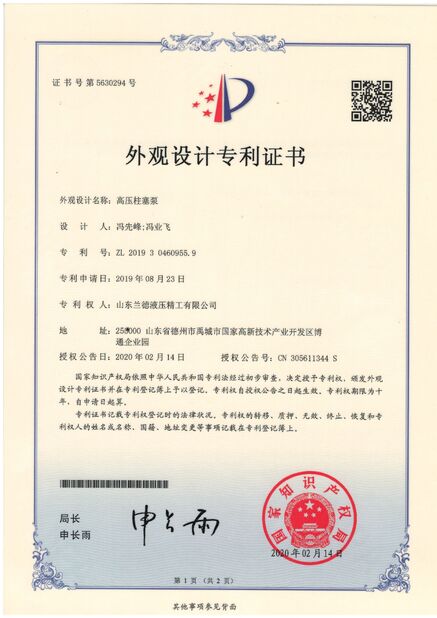
CHINA Shandong Highland Hydraulic Seiko Co., Ltd. zertifizierungen
Ich bin online Chat Jetzt
Firma Blog
Guide to Choosing Hydraulic Motors for Industrial Use
Neueste Unternehmensnachrichten über Guide to Choosing Hydraulic Motors for Industrial Use

In the realm of precision machinery, hydraulic motors serve as the vital "heart" that animates equipment. When heavy machinery requires precise torque output or rapid rotational response in complex working conditions, improper motor selection can lead to system inefficiency or costly downtime. The true value of hydraulic power systems lies in achieving perfect harmony between motor characteristics and load requirements.

I. Fundamental Classification: The Speed vs. Torque Equation

The selection process begins with understanding movement requirements. Market offerings primarily divide into two categories based on output characteristics:

  • Low-Speed High-Torque (LSHT) Motors: Engineered for heavy-load, low-speed applications, these motors directly drive loads without complex reduction mechanisms. Commonly used in construction machinery propulsion, crane hoists, and industrial mixers, their key advantages include exceptional starting efficiency and stable low-RPM output.
  • High-Speed Low-Torque (HSLT) Motors: Optimized for rapid response and high-speed rotation, these excel in fan drives, centrifugal equipment, and automated production lines requiring quick directional changes. Their low inertia enables superior responsiveness that enhances productivity.
II. Critical Selection Parameters: The Precision Matching Process

Choosing an appropriate hydraulic motor involves more than model matching—it requires meticulous multi-dimensional calculations. Engineers should evaluate these core parameters:

  • Displacement: The fundamental parameter determining torque and speed output. Ranging from micro motors with zero displacement to heavy-duty models exceeding 30.00 CID (cubic inches/revolution), this directly governs hydraulic-to-mechanical energy conversion capacity.
  • Mounting Interface: Standard configurations like SAE A 2-Bolt or 4-Bolt determine physical compatibility with equipment. Incorrect mounting can cause excessive vibration or seal failure.
  • Shaft & Port Configuration: Shaft strength ratings and port layouts (lateral or axial) significantly impact space utilization and piping complexity. In compact equipment, optimal port arrangement can yield substantial space savings.
  • Brand & Series Compatibility: Established technologies from industry leaders ensure component interchangeability and reliable technical support during maintenance.
III. Balancing Cost and Long-Term Value

Industrial procurement demands total cost of ownership (TCO) analysis rather than simple price comparisons. The price spectrum—from basic models to high-precision motors—reflects differences in material quality, sealing performance, and friction control. For intensive-use equipment or harsh operating conditions, investing in durable models reduces downtime and extends service intervals, delivering measurable economic benefits.

Hydraulic motor selection constitutes a systematic engineering challenge. By thoroughly understanding application boundaries between LSHT and HSLT types, while rigorously evaluating displacement, mounting configurations, and interface standards, enterprises can optimize power system performance and maintain operational excellence across demanding conditions. In today's efficiency-driven industrial landscape, precise component selection forms the foundation for maximizing equipment potential.

Kneipen-Zeit : 2026-08-21 00:00:00 >> Blog list
Kontaktdaten
Shandong Highland Hydraulic Seiko Co., Ltd.

Ansprechpartner: Ms. Summer Tang

Telefon: +86 13964096513

Faxen: 86-531-88770136

Senden Sie Ihre Anfrage direkt an uns (0 / 3000)