logo
Inicio

El blog sobre Guide to Optimizing Dump Truck Hydraulic Systems

Certificación
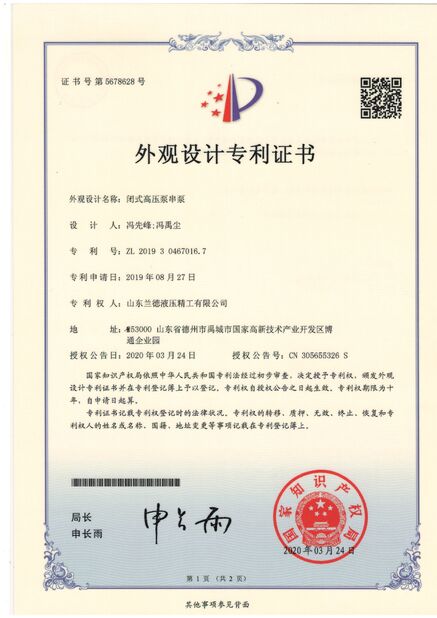
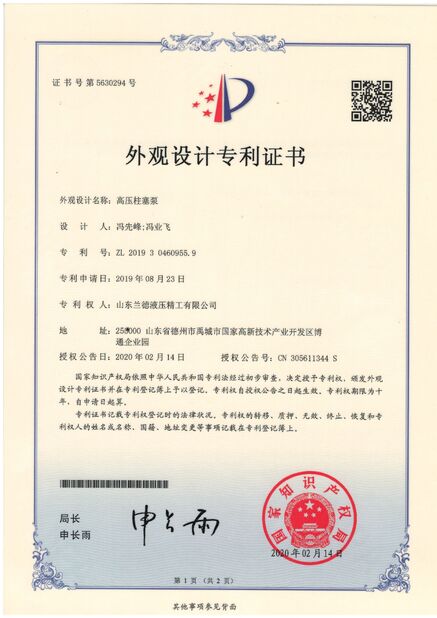
CHINA Shandong Highland Hydraulic Seiko Co., Ltd. certificaciones
Estoy en línea para chatear ahora
Compañía El blog
Guide to Optimizing Dump Truck Hydraulic Systems
últimas noticias de la compañía sobre Guide to Optimizing Dump Truck Hydraulic Systems

When tons of construction debris or ore are smoothly dumped within seconds, few consider the hydraulic system that makes this possible. In construction machinery, logistics, and waste management, the dump truck hydraulic pump serves as both the power transmission hub and the critical component determining operational efficiency and equipment longevity.

I. How Dump Truck Hydraulic Pumps Work

At its core, a dump truck hydraulic pump converts mechanical energy into hydraulic power. Drawing energy from the engine transmission via a Power Take-Off (PTO) system, it drives internal rotors or gears to generate high-pressure oil flow. This pressurized fluid, controlled by distribution valves, powers hydraulic cylinders to lift and lower cargo beds. In demanding environments, volumetric efficiency and pressure stability remain the key performance metrics.

II. Gear Pumps vs. Vane Pumps: A Technical Comparison

Industrial applications primarily utilize two pump types, each with distinct advantages:

  • Gear Pumps: Renowned for their simple structure, contamination resistance, and low maintenance costs. Their ability to withstand high-pressure shocks makes them ideal for harsh environments like mines and construction sites, establishing them as the preferred choice for most dump trucks.
  • Vane Pumps: Distinguished by smooth operation, low noise levels, and minimal flow pulsation. While excelling in noise-sensitive environments or precision hydraulic systems requiring stable flow rates, they demand cleaner hydraulic oil and more rigorous maintenance.
III. Critical Technical Considerations

Selecting hydraulic pumps requires evaluating lifecycle performance rather than just initial costs:

  • Flow Rate: Pump capacity must match cylinder specifications and desired lifting speed. Insufficient flow prolongs operational cycles, while excessive flow risks system overheating and abnormal pipe pressure.
  • Pressure Rating: The pump's rated pressure must accommodate maximum load requirements. Substandard pumps frequently fail under overload conditions through seal breakdowns or internal wear.
  • Installation Compatibility: Precise alignment of PTO interfaces, rotation direction, and axial dimensions forms the foundation for stable long-term operation. Improper installation may damage both the pump and transmission systems.
IV. Maintenance Strategies for Extended Service Life

Most hydraulic pump failures stem from improper system maintenance rather than manufacturing defects. Preventive measures include:

  • Fluid Management: Regular testing of viscosity, water content, and particulate levels in hydraulic oil, combined with high-quality filters and strict replacement schedules, effectively prevents internal wear.
  • Temperature Monitoring: Excessive heat reduces lubricating film strength, causing direct metal-to-metal contact. Maintaining functional cooling systems and avoiding prolonged full-load operation prevents thermal damage.
  • Cold-Weather Protocols: In freezing conditions, immediate high-pressure operation risks component damage from uneven thermal expansion. Low-pressure circulation for preheating serves as the golden rule for hydraulic system longevity.
V. Conclusion

As the power core of heavy equipment, dump truck hydraulic pump selection and maintenance directly impact productivity and operational costs. By understanding the technical distinctions between gear and vane pumps and implementing rigorous preventive maintenance, operators can significantly reduce downtime while ensuring precise, efficient performance under extreme conditions. In today's evolving hydraulic technology landscape, choosing proven components and applying scientific system management remains essential for competitive advantage.

Tiempo del Pub : 2026-08-15 00:00:00 >> Blog list
Contacto
Shandong Highland Hydraulic Seiko Co., Ltd.

Persona de Contacto: Ms. Summer Tang

Teléfono: +86 13964096513

Fax: 86-531-88770136

Envíe su pregunta directamente a nosotros (0 / 3000)